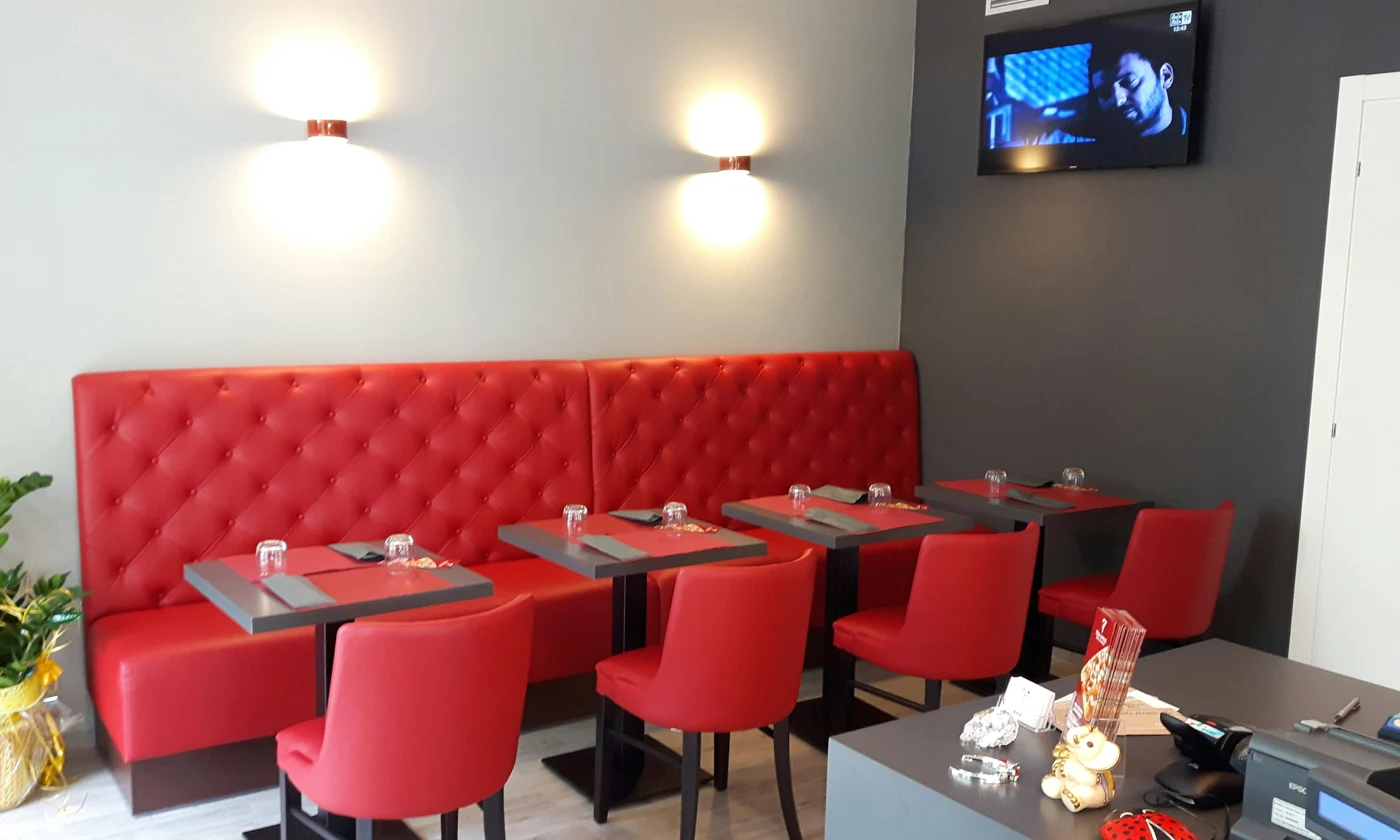

The kitchen had to speak the same language as the dining room.
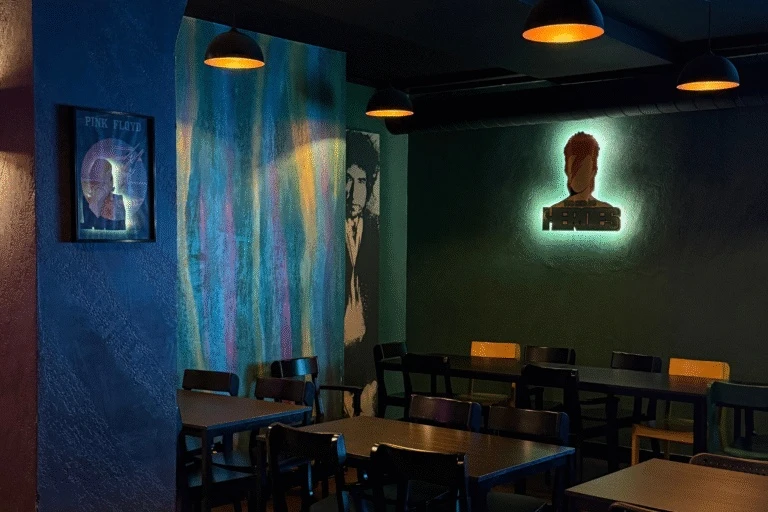
The Riverside had a stage, music, and the owners' desire to make people feel comfortable around a table. The encounter with Di Marco's Pinsa Romana had opened up new possibilities for the gastronomic offering. With Pinsa School, we worked on recipes to bring to that context.
The question was concrete: what pinsa would make sense there? When you partner with a restaurant, you have to understand what the owners want to offer and translate it into a product. The recipe takes shape from that identity, the way they serve, and the type of experience they want to offer.
Adding character, ingredient by ingredient
Working on the fillings is about balance and preparation. A cream creates a soft base, a more intense ingredient concentrates the flavor, a crunchy element changes the bite. Deciding where to insert each means building a recipe that has its own character and enhances the pinsa.
We discussed the recipes with the owners, connecting their proposal to the product's capabilities. It's a job made of choices: which ingredients to combine, how to prepare them, what function to assign to each. The menu begins to become personal precisely in these details.
Food cost is part of the recipe from the very beginning
In our consultancy, we also worked on cost control. Weights, ingredient yields, and preparation quantities help us understand the true cost of a ready-to-serve pinsa. The goal is to create an inviting offering with a sustainable cost for the restaurant.
An accessible ingredient can yield great results when well-crafted. A vegetable preparation, a cream, or an aromatic finish can give a product its identity; a more expensive ingredient can find its place in a measured quantity, where it can be felt.
This attention to detail allows us to develop more accessible recipes without detracting from the experience of the diner. Perceived value comes from the whole: balance, aroma, texture, and care in preparation.
From the recipe to the production line
The work included organizing the preparations: what can be carried forward, what must be available when the order is placed, and what completes the pinsa upon its exit. The line must make the menu feasible, with clear steps for those working there.
Riverside has now closed; the project remains part of the school's experiences. It discusses an important aspect of consulting: taking a product, giving it the character of a restaurant, and building recipes, costs, and processes around it. This is the basis on which Pinsa School supports those who want to introduce a new offering into their business.