

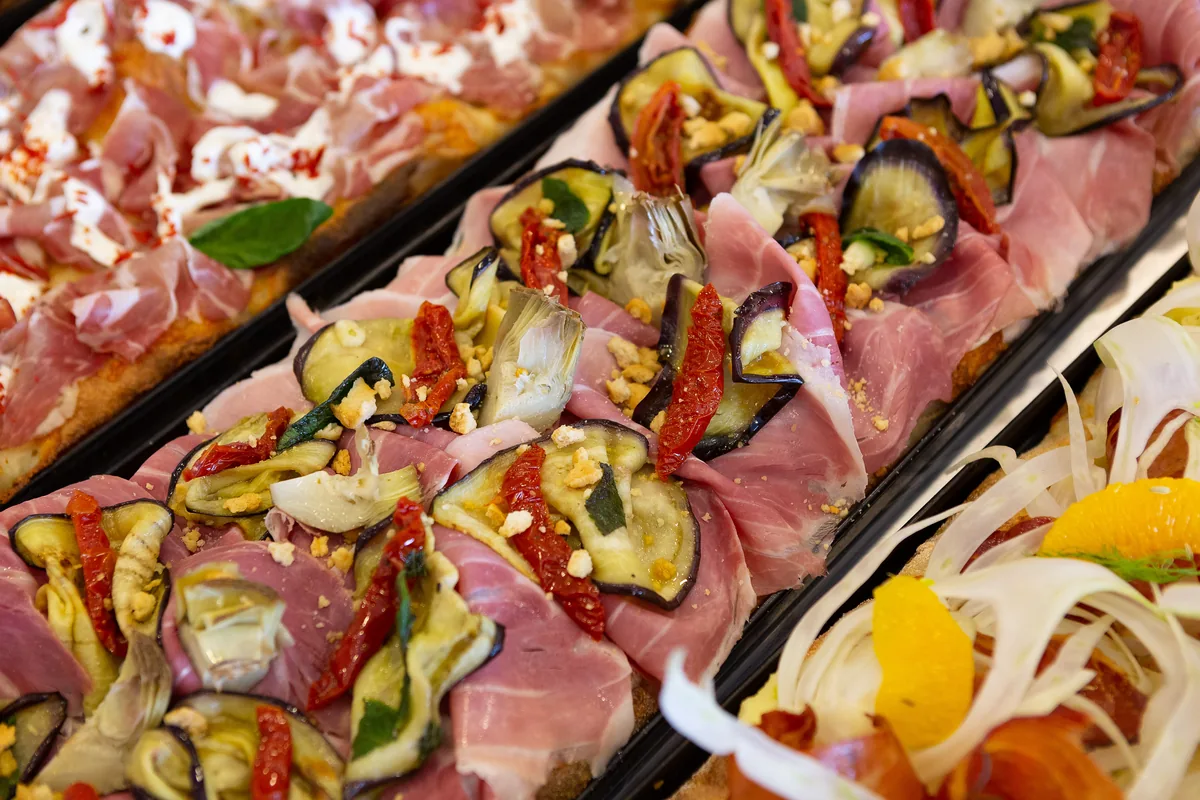
A topping can be beautiful and cost more than you imagine. Often, the difference lies in small gestures: a handful more, a cream that yields less than expected, an ingredient you buy a kilo of and use 800 grams of. The food cost of pizza starts here.
In consulting, we bring together taste and numbers. We want a pizza that the customer wants to order and that the workshop can replicate with clear portions, preparation, and costs. The recipe must work both in the mouth and when served.
The recipe needs to be weighed, even when it seems simple
It starts with the individual pizza: dough, tomato, mozzarella, toppings, oil, and finishing touches. Each ingredient has a weight and a cost. If mozzarella costs 10 euros per kilo, an 80-gram portion costs 80 cents. A 100-gram portion costs one euro.
Twenty grams seems like a small amount. For one hundred pizzas, that becomes two kilos, or 20 euros more mozzarella in the example. Writing the weight makes a difference visible that, if you were to work by eye, might go unnoticed for weeks.
The recipe card also serves to ensure consistency. Whoever makes the pizza needs to know what balance we're looking for: how much cheese, how much cream, how much space to leave for the other ingredients. The cost follows a specific gastronomic choice.
The purchase price is only the first number
A 10 euro per kilo ingredient that, after cleaning and processing, yields 800 grams of usable product actually costs 12.50 euros per kilo of finished product. The 80 grams you put on your pizza are therefore worth one euro.
With vegetables, meats, and cooked preparations, this difference matters. We weigh what goes into the process and what comes out: this way, we know the yield and can assign its actual cost to the portion.
The same goes for a cream. We add the ingredients, weigh the finished preparation, and calculate how much we use per pizza. From that moment on, the cream has a replicable recipe and a legible cost.

How to calculate the percentage of food cost
Add the cost of the pizza ingredients and divide it by the selling price, using consistent values net of VAT. Multiply by 100 to obtain the percentage. With €3 worth of ingredients and €10 in net sales, the food cost is 30%.
The remaining portion must contribute to covering staff, energy, rent, packaging, and other business costs, in addition to the bottom line. That's why we consider the food cost along with the organization of the restaurant and sales volumes.
An inexpensive filling can have a lot of personality
Well-prepared potatoes, carefully cooked onions, seasonal vegetables: accessible ingredients can give a pizza character. The difference comes from technique, textures, and how you build the bite.
A more expensive element can become a measured finish, capable of adding aroma or intensity. This is the reasoning we use in the Topping Techniques course: choosing the role of each ingredient, preparing it well, and using it in the right quantity.
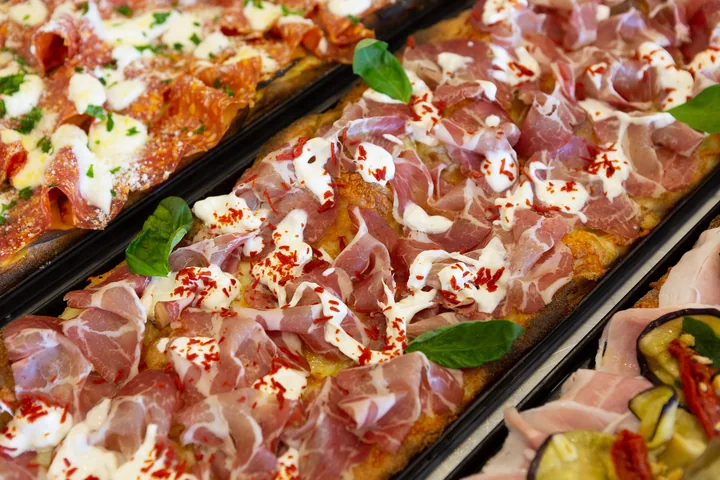
The menu works in conjunction with the line
A preparation used in multiple recipes can make the work more organized. Think of a potato base that becomes a simple pizza, one with provola cheese, and one with a richer finish. Variety comes from a thoughtful approach, with an easier-to-follow rotation.
For a pizzeria by the slice, this is directly linked to the rack method. For a new establishment, recipes, yields, and organization become part of the same start-up consultancy. The result we seek is a recognizable offering, one that the team can implement with control every day.
All articles